What Five Years of Research Tells Us About Children and AI
Practical, evidence-based advice for parents, carers and anyone who works with young people, from Dr Mhairi Aitken, AI ethics expert and organiser of the world's first Children's AI Summit.
Hosted by:

Led by: Dr Mhairi Aitken
Co-Founder, Our AI Collective | Former Senior Ethics Fellow, The Alan Turing Institute | Organiser of the world's first Children's AI Summit | Author, The Anxious Parent's Guide to AI
Time, date & format:
25th November 2026
2 PM - 3PM GMT
9 AM - 10AM ET
Online & Interactive Workshop on Zoom.
Digital agenda:
2:00 pm Welcome
2:05 pm Keynote and presentation
2:45 pm Q&A
2:55 pm Close
About the event
There’s no shortage of headlines about AI and children. Some say AI tutors will transform learning. Others warn about homework cheating, addictive algorithms and chatbots acting as friends. For parents and carers, it can be hard to know what’s genuinely worth worrying about — and what’s just noise.
For five years, Mhairi has been asking children themselves. At The Alan Turing Institute, she led research into children’s relationships with AI, working with UNICEF, the Council of Europe, Children’s Parliament and the LEGO Group. She also organised the world’s first Children’s AI Summit, where young people wrote their own manifesto for the future of AI.
This session starts with the evidence: how children are actually using AI, what they think about it, and how it makes them feel.
Mhairi will explore three areas that come up again and again: education, mental health and play. You’ll hear where generative AI can support learning, where it can get in the way, and what the research tells us about AI companions and children’s wellbeing.
She’ll be honest about the risks — and equally clear about the opportunities.
Most importantly, you’ll leave with a plan. Children need trusted adults they can talk to about AI, and those conversations don’t have to be difficult or stressful.
Mhairi will share practical tips for starting those conversations, setting sensible boundaries, and choosing tools that work for your child or your classroom.
Key Takeaways:
More confidence to talk to children about AI, whatever their age, and answer the questions they ask
Simple, sensible guidelines you can use at home or in the classroom, grounded in research rather than fear
A clearer picture of the opportunities, risks and limitations of AI for children’s learning, wellbeing and play
A practical framework for choosing AI tools, apps and toys that are right for the young people in your care
A child’s-eye view of AI, drawing on what young people themselves say they want from AI through the Children’s Manifesto for the Future of AI
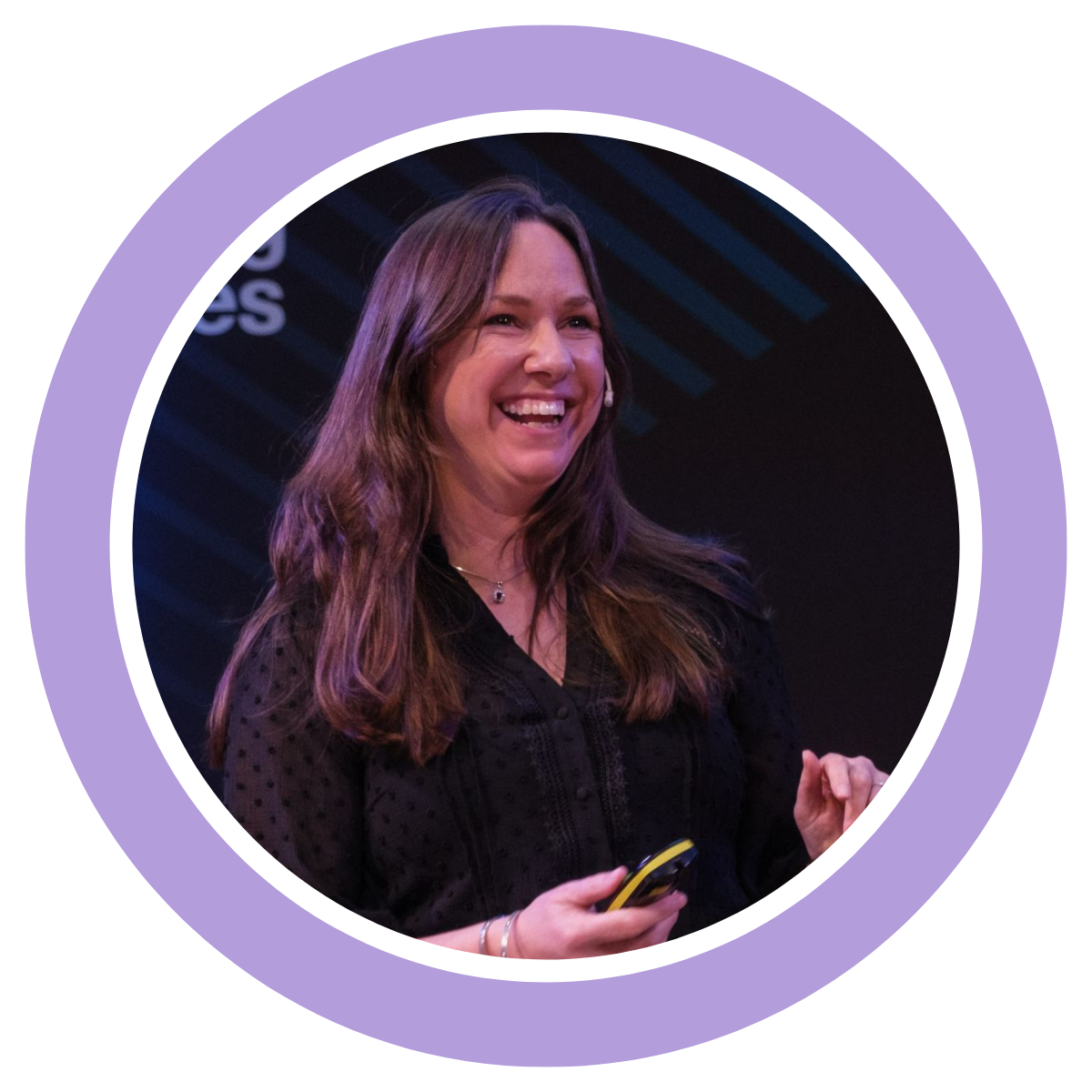
About your speaker

Dr Mhairi Aitken is Co-Founder and Director of Our AI Collective, a community interest company that puts public interests and public voices at the heart of AI. She is an internationally recognised expert in AI ethics and responsible innovation, and her work focuses on participatory research and making sure everyone gets a say in how AI develops.
From 2020 to 2025 Mhairi was Senior Ethics Fellow at The Alan Turing Institute. There she led a research programme on children's relationships with AI, working with UNICEF, the Council of Europe Steering Committee for the Rights of the Child (CDENF), Children's Parliament and the LEGO Group. She organised the world's first Children's AI Summit, which brought young people's ideas directly to the people shaping AI policy.
Her first book, The Anxious Parent's Guide to AI, comes out with Bloomsbury in 2027.
RSVP TO SECURE A PLACE
This event is complimentary to attend and is limited to 20 spaces. Register now to secure your place.
Days
Hours
Minutes
Seconds
What Mhairi will cover:
From smart toys to AI companions: How children at different ages come across AI, from infants playing with connected toys to teenagers confiding in chatbots.
AI in the classroom: The worries about cheating, the promise of personalised learning and virtual tutors, and what schools and families need to know about both.
Wellbeing and mental health: What research, including the Turing Institute's school-based study on generative AI and children's wellbeing, tells us about the positive and negative effects.
Why AI companions aren't friends: How children form relationships with AI systems, and how adults can help them think critically about those relationships.
Children's voices: What young people said at the Children's AI Summit, and why putting their views at the centre leads to better decisions.
Your next steps: Practical ways to start conversations, set boundaries and make informed choices together.